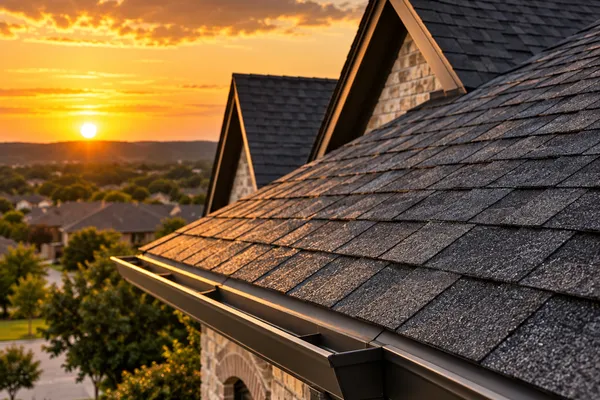
Roof Maintenance Tips for South Texas Homeowners
Homeownership, Roof Maintenance, South Texas Roofing
What Most Homeowners Get Wrong About Roof Maintenance in South Texas
Many South Texas homeowners assume their roof is fine as long as it is not leaking. Steel Country Home Restorations takes a different approach: educate homeowners, catch problems early, and protect one of your largest investments before damage becomes expensive.
Roof Maintenance Starts with Education, Not Emergencies
A roof can look perfectly fine from the street while problems are quietly developing in places a homeowner rarely sees. That is one of the biggest misconceptions Mann Carter, owner and founder of Steel Country Home Restorations, encounters when he talks with South and Central Texas homeowners.
Many people assume that if their home is new, the roof should be worry‑free for decades. Others do not think about an inspection until shingles land in the yard or water shows up on a ceiling. By that point, what started as a small, manageable maintenance item may already have turned into a much larger—and more expensive—problem hiding behind walls, in attic spaces, or along the roof edge.
📌 Key Takeaway: Roof maintenance is not just fixing leaks. It is about understanding how your roof and drainage work, so you can act before damage spreads.
Why Steel Country Home Restorations Focuses on Homeowner Education
Carter did not set out planning to build a restoration company. He spent about six years working in solar, regularly seeing the roofing side of residential projects. A poor experience with a contractor changed the way he looked at the industry and how homeowners were treated when something went wrong with their home.
He saw an opportunity to do things differently: ask more questions, slow down enough to explain what is happening, protect homeowners from high‑pressure decisions, and complete work with integrity. For Carter, restoration became about more than repairing shingles or replacing wood. It became about helping families understand their situation before making major decisions about one of their largest investments—their home.
“If I’m going to do work, then I want to do it with the highest level of integrity and do things the right way so that the homeowner gets taken care of.”
That philosophy shapes how Steel Country Home Restorations approaches roof maintenance in South Texas: education first, decisions second. The goal is not to sell a roof. The goal is to help you understand what is happening with your roof, drainage, and exterior so you can decide what makes sense for your home and your budget.
South Texas Weather: Why “Set It and Forget It” Roofing Fails Here
In some parts of the country, a roof might go years without serious weather. South Texas is different. Roofs from San Antonio to the Rio Grande Valley and up into the Austin area can be exposed to:
Severe thunderstorms and fast‑moving fronts
High, gusty winds that lift and loosen shingles and flashing
Intense sun and heat that dry out sealants and age roofing materials faster than in cooler climates
Heavy, sometimes sideways rainfall that finds its way into small gaps
Hail and flying debris during stronger systems
All of these conditions can accelerate wear. That is why Carter pushes back against the idea that a new roof automatically means 20 or 30 years of no attention. Even a recently installed roof in South Texas still lives in a tough environment and benefits from routine inspections and storm checks.
Routine Roof Inspections: How Often and What They Should Include
One of the simplest, most powerful forms of roof maintenance is a routine inspection. Carter’s general recommendation is straightforward: have your roof checked annually and after significant storms.
💡 Pro Tip: Treat an annual roof inspection the same way you treat a yearly physical or HVAC tune‑up. It is preventive care for your home.
A proper inspection goes far beyond glancing at shingles from the driveway. It gives a trained professional a chance to look at components most homeowners cannot safely or accurately evaluate from the ground, including:
Overall shingle condition and granular loss (the “sand” that protects shingle surfaces)
Pipe penetrations and seals where vents, exhausts, and other pipes come through the roof surface
Flashing around chimneys, walls, skylights, and valleys where water naturally flows
Drip edge and other metal components at the roof perimeter designed to move water away from fascia and eaves
Signs of deterioration, uplift, or storm impact that may not be obvious from the ground
Tree contact along roof edges, where branches can rub, trap moisture, or drop debris into valleys and gutters
The purpose of these routine inspections is simple: identify developing problems before they become obvious inside the home. Catching a cracked pipe boot, failing seal, or missing piece of flashing early can mean a small repair instead of drywall damage, insulation replacement, or structural wood repairs later.
Storm Checks: What to Do After Severe South Texas Weather
After a strong storm, many homeowners fall into one of two extremes. They either assume the roof is ruined and panic—or they assume everything is fine because they do not see water inside. Carter recommends a more balanced approach: do not assume damage, but do not assume safety either.
A professional storm check is especially useful after:
Hail events, even if the hailstones were smaller and short‑lived
Strong wind that rattles windows, moves patio furniture, or drops limbs into the yard
Severe thunderstorms with heavy, wind‑driven rain that can exploit small gaps in flashing or seals
Flying debris or fallen branches that may have struck the roof, even if they have already been removed from the yard
The objective of a storm check is documentation and information—not automatically replacing your roof. A qualified contractor can tell you whether damage exists, what is minor and repairable, and what might warrant an insurance claim or closer monitoring over time.
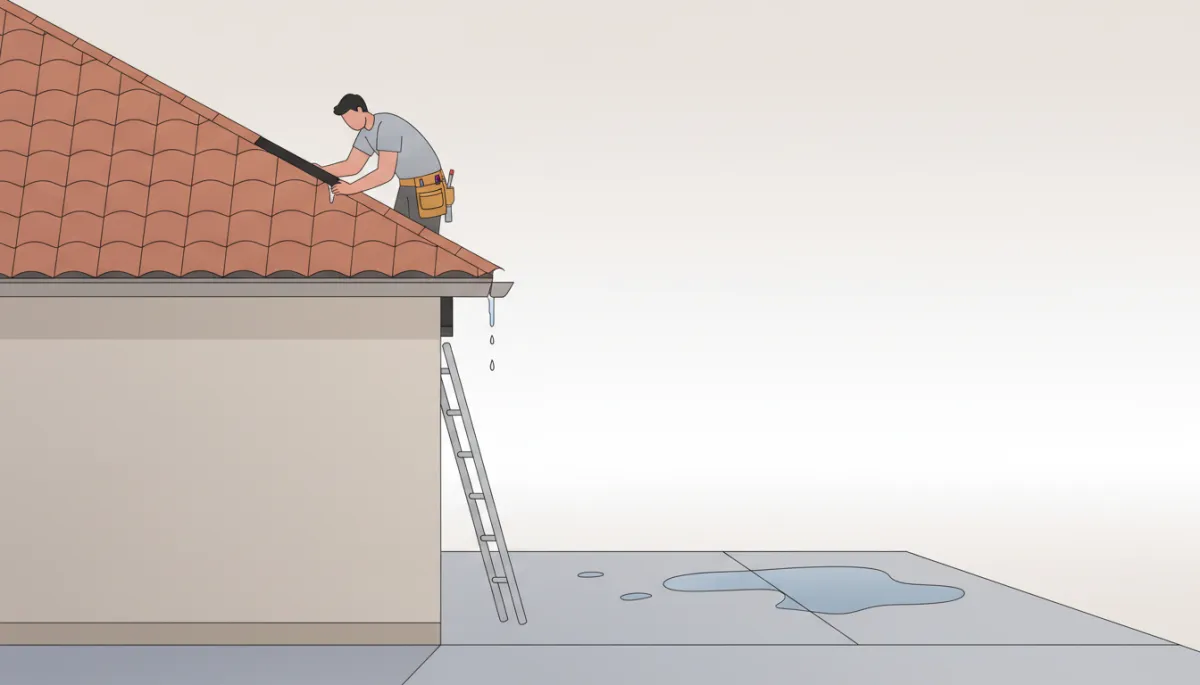
Post-storm inspections often turn hidden impact or wind damage into simple, timely repairs.
Don’t Wait for Missing Shingles or Ceiling Stains
One of the most common homeowner mistakes is assuming everything is fine because there is no visible leak. Carter frequently meets homeowners who wait until they notice:
Missing or curled shingles on the roof surface
Roofing material lying in the yard after a storm
Water spots or bubbling paint on ceilings and upper walls
Those signs are important, but they usually represent a problem that has already existed for some time. A small opening or deteriorated component can allow moisture into an area long before water becomes visible inside the house. By the time you see a stain, moisture may have already passed through shingles, underlayment, decking, insulation, and drywall.
📌 Key Takeaway: Waiting for a leak turns roof maintenance into damage control. Preventive checks keep repairs smaller and more affordable.
Three Areas South Texas Homeowners Commonly Overlook
1. Drainage Around the Home: Your Exterior “Plumbing”
Roof maintenance is not limited to shingles. Where rainwater goes after it leaves the roof is just as important. Carter often describes the drainage system as the home’s “plumbing” on the outside. Water should have a controlled path away from vulnerable areas, not run randomly down walls, pool near the foundation, or erode soil around the structure.
Gutters and downspouts help collect water from the roof and direct it to safer discharge points away from the home’s perimeter.
Extensions and splash blocks move that water farther away, reducing the risk of erosion and standing water around the foundation or walkways.
Site grading and drainage paths help ensure water flows away from the house rather than back toward it during heavy rains.
In some South Texas neighborhoods, especially older areas or places where gutters were not historically common, homes may have little to no formal drainage system. That does not automatically mean a problem, but it does mean homeowners should pay close attention to how water behaves in a heavy rain. If you see water consistently pouring over roof edges, cutting channels in the soil, or soaking areas near the slab, it may be time to consider upgrading drainage as part of your roof maintenance plan.
2. Eaves, Fascia, and Soffits: The Roof Edge Tells a Story
Another commonly overlooked area is the roof edge—the transition between roofing and walls. Homeowners should keep an eye on:
Eaves, where the roof extends beyond exterior walls and often carries gutters
Fascia, the vertical board behind the gutter or along the roof edge, which can show early signs of moisture damage
Soffits, the underside of the roof overhang, often vented and vulnerable to trapped moisture or pests if damaged
Drip edge, the metal installed along the perimeter to guide water away from wood components
South Texas weather often swings between long dry periods and sudden, intense rainfall. A minor moisture problem at the roof edge may stay invisible during light showers but become obvious when heavier rain arrives. Wood rot, peeling paint, soft spots, or discoloration around eaves and fascia are important warning signs. They may indicate that water has been reaching areas beneath or around the roofing system, even if you have not yet seen a leak inside the home.
3. The Roofing System Beneath What You Can See
Shingles are only the most visible part of a complete roofing system. A healthy roof also depends on what is underneath and around those shingles, including:
Underlayment that provides a secondary water‑shedding layer beneath the shingles
Properly installed flashing in valleys and roof‑to‑wall transitions
Adequate ventilation that helps manage attic temperatures and moisture levels
Secure fasteners and correct installation patterns that keep shingles in place during high winds
That is why Carter’s inspections do not begin and end with whether shingles appear intact. He pays attention to how all of these components are working together and whether they were installed and maintained properly. A roof can look “fine” from the street and still have weak points that only become obvious when the next big storm hits.
Early Maintenance vs. Major Repairs: Why Timing Matters
Early maintenance is almost always less expensive and less disruptive than major repairs. Re‑sealing a pipe boot, replacing a short run of damaged flashing, or correcting a small gutter issue can often be handled quickly. If those same issues are ignored for years, they can lead to wood rot, mold, damaged insulation, and interior repairs that cost far more than the original fix.
💡 Pro Tip: Ask your contractor to point out and explain small maintenance items during an inspection. Understanding them now can prevent “surprise” repair bills later.
In South Texas, where storms and sun work your roof hard, a pattern of routine inspections, storm checks, and early maintenance creates a strong defense. You are not just reacting when something fails; you are actively managing the health of your roofing and drainage system over time.
How Roof Maintenance Connects to Homeowners Insurance
Carter regularly helps homeowners navigate insurance‑related roofing situations. His philosophy is that you should understand the process and the coverage you are paying for, rather than being pressured into purchasing a roof you do not need or do not fully understand.
“I’m not here to sell you a roof. I’m here to teach you how to exercise your rights through the policy and the process that you pay for.”
Insurance coverage always depends on your individual policy, the cause of damage, and the circumstances of the claim. But maintenance still matters. A documented history of inspections and early repairs can help show that you have been taking reasonable care of your home, not neglecting it until a major problem appears. It also gives you a clearer picture of what damage is truly storm‑related versus long‑term wear and tear.
Frequently Asked Questions About South Texas Roof Maintenance
How often should a roof be inspected in South Texas?
Carter recommends an annual roof inspection for most homes, along with an additional inspection after significant storms or severe weather. If your home is heavily shaded by trees, exposed on a hill or open lot, or has a complex roofline, more frequent checks may be appropriate.
Should a new roof or brand‑new house still be inspected?
Yes. Newer roofing systems can still experience storm damage, installation issues, or early seal deterioration. An inspection after the first major storm and regular checks in the following years help confirm that the new roof is performing the way it should in real‑world conditions.
What are common signs of roofing problems?
Common warning signs include missing shingles, heavy granular loss, deteriorated flashing, cracked or loose pipe seals, sagging or rotted fascia, wood rot around eaves, and interior water intrusion such as staining, bubbling paint, or musty odors in attic spaces. Any of these signs justify a professional evaluation.
Should I wait until my roof leaks before calling someone?
No. A visible leak is often the last stage of a problem that has been developing for months or even years. Calling for an inspection when you first notice exterior changes—or simply as part of your yearly maintenance routine—helps keep issues small and manageable.
Are gutters really important in South Texas?
Carter considers gutters and proper drainage key tools in protecting your home. Even if your neighborhood has many homes without gutters, that does not mean skipping them is best for your house. Gutters help move rainwater away from the roof edge, siding, walkways, and foundation, reducing erosion and moisture‑related damage over time.
Should I have my roof checked after hail or high winds?
Yes. Significant weather can affect roofing materials even when damage is not immediately visible from ground level. A post‑storm inspection can confirm whether your roof simply needs minor touch‑ups, has insurance‑worthy damage, or came through the storm in excellent shape.
Education Before Decisions: The Steel Country Approach
One principle comes through again and again in Carter’s approach to home restoration: homeowners should understand the problem before deciding what to do about it. A roof inspection does not automatically mean a roof replacement. Sometimes the right answer is a simple maintenance task. Sometimes it is a targeted repair. Sometimes there is storm damage that deserves additional investigation and documentation. And sometimes, the best news of all, the roof is doing exactly what it is supposed to do.
The first step is knowing which situation you actually have. From there, you can make decisions with confidence—whether that means scheduling a small repair, filing an insurance claim, planning for a future replacement, or simply putting a reminder on your calendar for next year’s check‑up.
Serving South Texas and Central Texas Homeowners
Steel Country Home Restorations serves homeowners throughout San Antonio and South Texas, including communities in the Rio Grande Valley such as McAllen, Edinburg, San Juan, and Brownsville, with expanding service into the Austin area. Whether you have just gone through a storm, purchased a home, or simply have not had your roof checked in years, a complimentary inspection can give you clarity on your roof and drainage system’s condition.
Concerned about your roof or recently experienced a storm? Request a complimentary inspection from Steel Country Home Restorations to better understand the condition of your roofing system before deciding what comes next. With the right information, you can stop guessing about your roof and start making confident, informed decisions for your South Texas home.